Version control and audit trails in data protection software ensure that changes, approvals, and decisions remain traceable at all times—promoting greater accountability, auditability, and management confidence.
Sub-processes can structure Group RoPAs when comparable processes are carried out in multiple companies, countries, or locations with local variations. This article shows how master processing, variants, approvals,
A corporate data protection officer requires more than just a formal appointment. What is crucial is a robust operational model with clear responsibilities, resources, reporting structures, audits, and escalation procedures.
Privacy-IRM software should not be evaluated solely based on feature lists. What matters most is whether roles, workflows, evidence, permissions, and operational risks can actually be managed within the ongoing governance process.
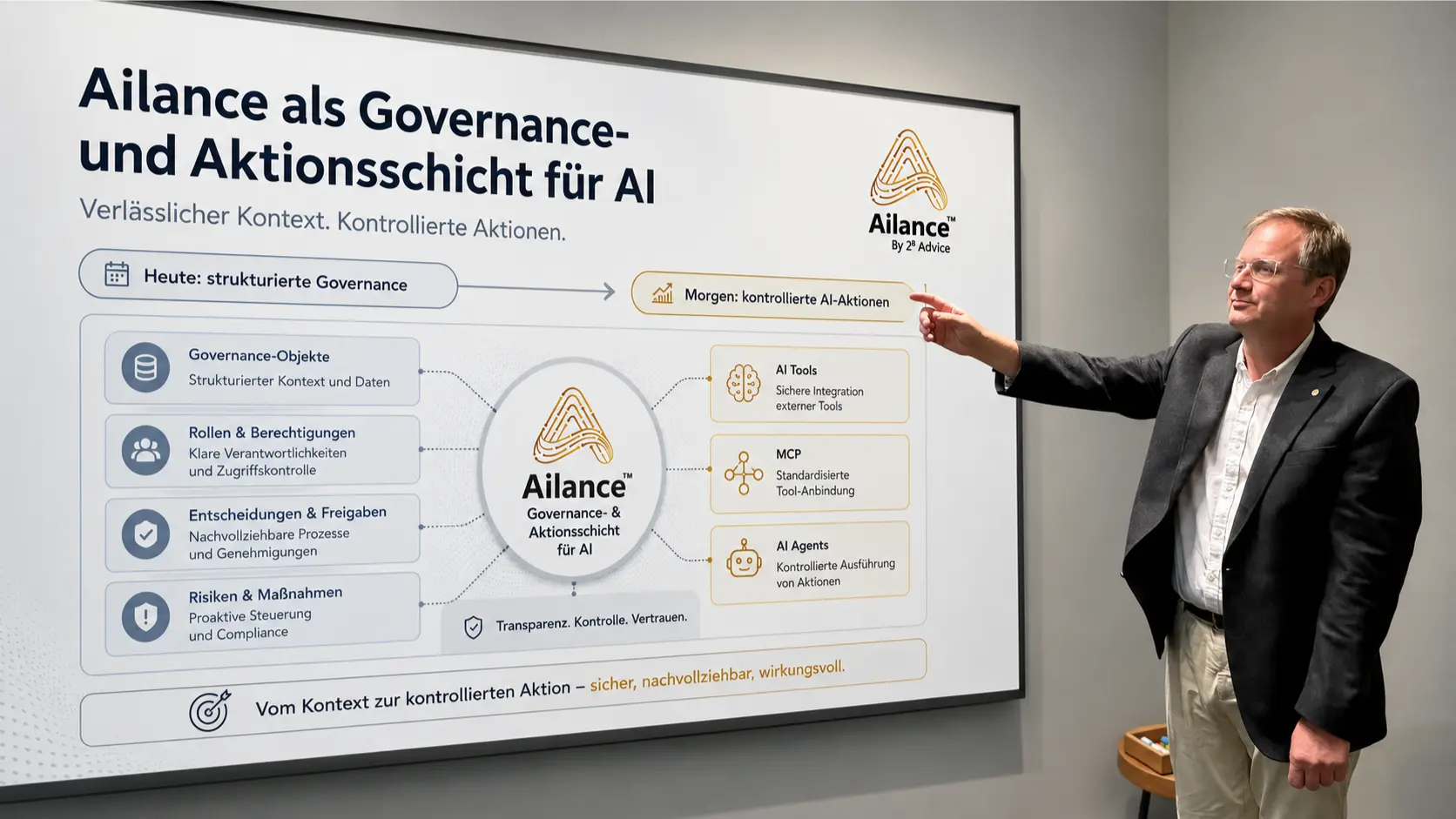
AI requires clear governance processes: use cases, risks, roles, approvals, and documentation must be brought together in a structured manner so that AI can be used safely and transparently within the company.
Governance works only when technical, legal, and subject-matter reviews are not conducted in isolation but are integrated into a single, documented decision.
Data protection records are only audit-ready if the processing, risk, approval, version, and measures remain traceably linked. Why email, Teams, and drives are often insufficient for this purpose.
An external data protection officer needs more than just expertise. Why roles, escalation procedures, project intake, and evidence of the impact of a DPO mandate are crucial.
Many companies confuse deletion periods with retention periods. Why this is problematic from a data protection perspective, what risks it poses, and how an effective deletion strategy can improve compliance and data security